

Labels
Guaraná Antarctica Original, Zero or Diet: what changes in the can
The guaraná stays, the sugar goes. Here is what each recipe puts in its place, what the labels print, and the one line a Zero can has to carry.
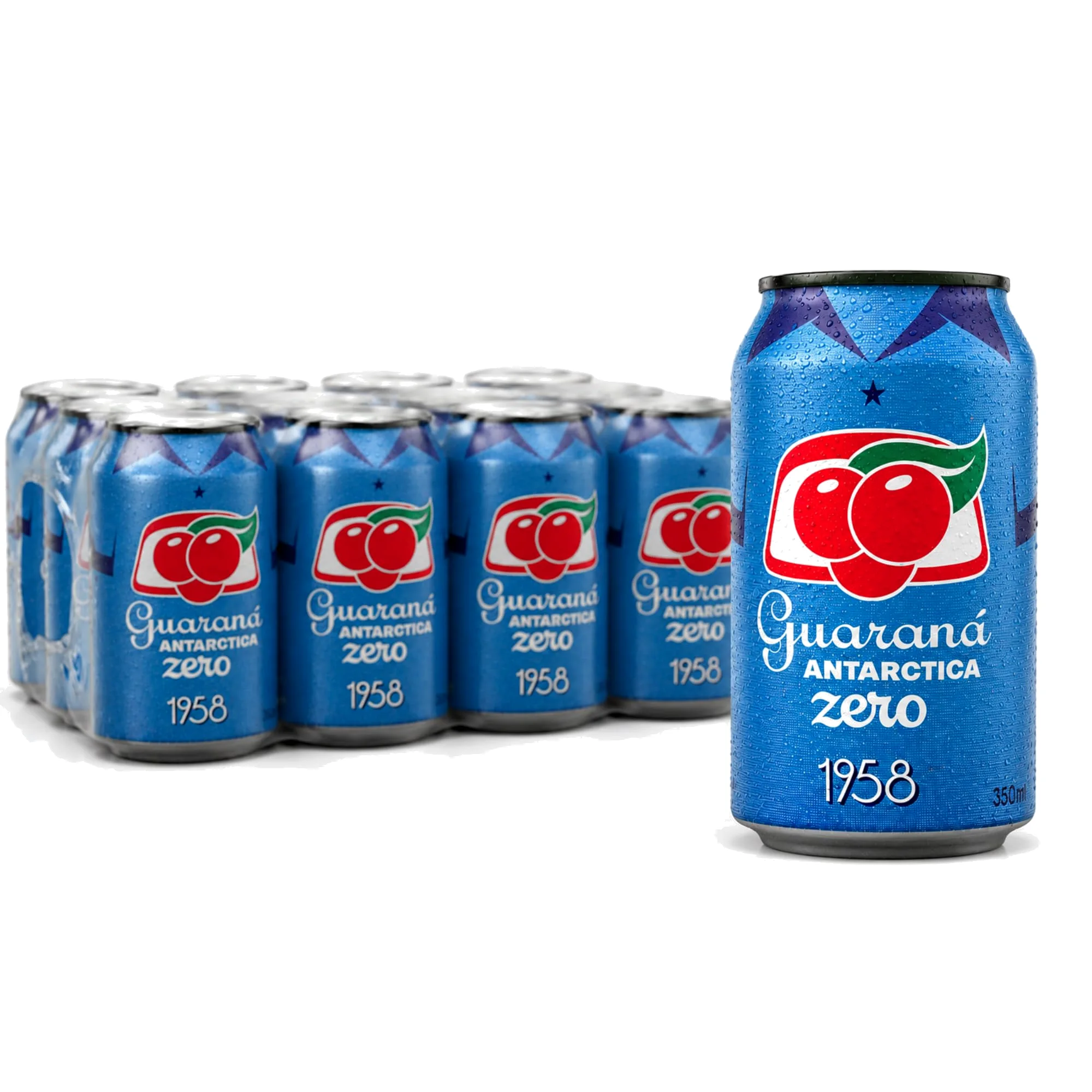
Three Guaraná Antarctica recipes reach US shelves. The Original is sweetened with sugar. Zero Sugar is sweetened with aspartame and acesulfame potassium. Diet comes in a white can that resellers still stock, and its product description does not say what sweetens it. All three are flavored with guaraná extract and colored with caramel, so the difference you taste is mostly the sweetener and the body sugar gives a drink.
| Original | Zero Sugar | Diet | |
|---|---|---|---|
| Sweetened with | Sugar | Aspartame and acesulfame potassium | Not stated in its description |
| Sugars per can | 36 g, front panel of the can | 0 g, as its description states | Not stated |
| Calories per can | 140, front panel of the can | 0, as its description states | Not stated |
| Phenylalanine statement | No | Required (aspartame) | Read the can |
| Caffeine | From guaraná, not stated | From guaraná, not stated | Not stated |
| Price per can | from $1.25 | from $1.19 | from $1.67 |
The Original: 36 grams of sugar a can
The front panel of the older green 350 ml can prints the figures plainly: 140 calories and 36 grams of sugars per can, no fat, 20 milligrams of sodium. All of that sugar comes from the sugar in the ingredient list, so it counts against the FDA's Daily Value for added sugars, which is 50 grams a day on a 2,000-calorie diet. One can is about 72 percent of it.
The FDA reads a label this way: 5 percent of a Daily Value or less is low, 20 percent or more is high. By that measure a can of the Original is high in added sugar: a drink for lunch or a party rather than one to keep beside the desk all day.
Zero Sugar: two sweeteners and a statement for PKU
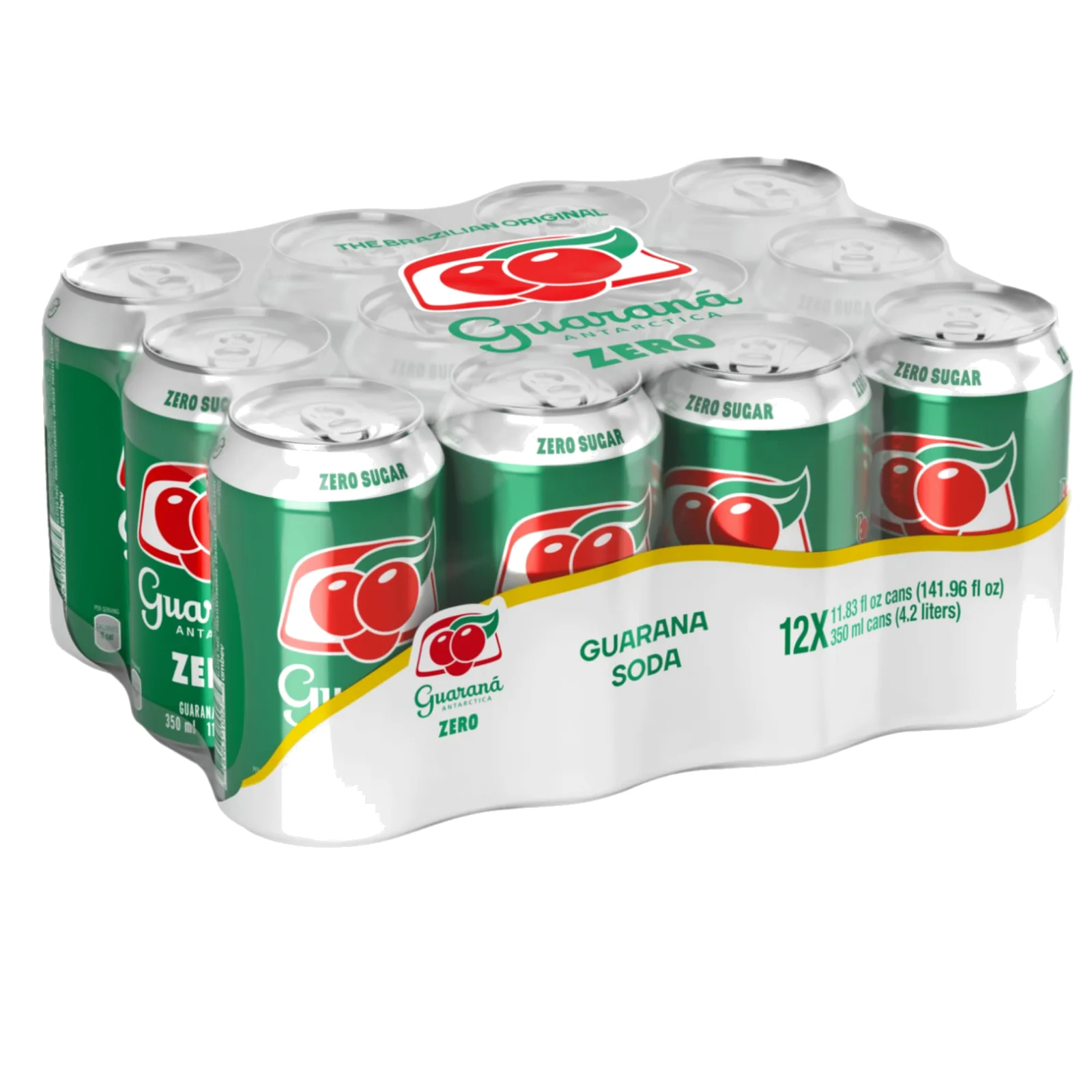
Zero lists aspartame and acesulfame potassium, and its product description states zero sugar and zero calories. Both sweeteners are approved by the FDA, which sets acceptable daily intakes of 50 and 15 milligrams per kilogram of body weight for them. The can does not say how many milligrams of each it holds.
Aspartame brings one rule with it. A product sweetened with aspartame has to tell people with phenylketonuria (PKU) that it contains phenylalanine. If you or a child in your house has PKU, that line on the Zero can is the one to look for, and Zero is not the recipe to buy.
Diet: read the can
The Diet 12-pack in our catalog is sold by a reseller, and its product description gives no ingredient list, no sweetener and no nutrition panel. The photo shows white cans with Diet in green script. We cannot tell you more than that, so the advice is simple: read the side of the can when it arrives, and if the sweetener matters to you, Zero is the recipe whose list you can check before you buy.
Why the US can reads sweeter than the Brazilian page
The brand's product page for Brazil lists 15 grams of sugars per 200 ml, which works out to about 26 grams in 350 ml. The US-export labels we could read print more: 36 grams on the 350 ml can, and 24 grams per 240 ml on the 2-liter bottle, which is about 35 grams in 350 ml. The two US labels agree with each other. The Brazilian figure is lower.
We cannot tell from the outside whether that is a different recipe for export or an older label, and the product description of the 12-pack warns that the product is labelled to US standards and may differ from what is sold elsewhere. What it means for you is practical: the label on the can you buy here is the one to go by, not the number on a Brazilian page.
Whichever can you pick, it is part of the Guaraná Antarctica catalog, and its product page prints the label figures it can, and says so where it cannot.